HISTORIA
Online Casino Payment Methods in South Africa: Rands, Banks and Crypto
Casino Payment Methods in South Africa: A Practical Guide for SA Players
The currency reality and its implications
South African casino players operate primarily in rand (ZAR), but the online casino platforms serving the South African market are international operators who often maintain accounts in USD, EUR or GBP as base currencies. This creates a practical consideration that Kenyan or Nigerian players using USD-pegged platforms do not face: currency conversion costs.
When a South African player deposits ZAR and the platform operates in a different base currency, the bank or payment processor applies an exchange rate that typically includes a margin. The same process occurs on withdrawal. Over the course of regular play, these conversion costs accumulate and should be factored into a realistic assessment of the cost of gaming.
The most effective mitigation is selecting platforms that natively support ZAR accounts — where deposits and balances are held in rand without intermediate conversion — or using cryptocurrency (particularly USDT, which tracks the US dollar) and accepting the dollar-rand conversion at a single point chosen by the player rather than at both deposit and withdrawal.
Bank EFT: the traditional option
Electronic Funds Transfer (EFT) is the primary banking method for most South African adults. Capitec, FNB, Absa, Standard Bank and Nedbank all support online EFT functionality, and most South Africans have established familiarity with this payment channel through everyday use.
The practical reality for casino EFT in South Africa is less straightforward. Many South African bank accounts are configured with merchant category restrictions that flag or decline transactions to gambling operators. The major commercial banks have varying policies on this, and the same bank's policy may produce different outcomes depending on the account type and customer profile.
South African players who encounter declined EFT transactions to casino operators have three practical responses: contact their bank to request merchant category adjustment for the specific transaction, use a different funding method that is not subject to the same restrictions, or select a platform that processes through an intermediate merchant category that does not trigger the restriction.
Cryptocurrency: the most friction-free option
For South African players who hold or can acquire cryptocurrency, USDT on the TRC-20 network and Bitcoin offer the most consistently friction-free payment experience across deposits and withdrawals.
The practical advantages: transactions are not subject to bank merchant category restrictions because they operate outside the banking system. Deposits confirm within minutes regardless of time of day or day of week. Withdrawal processing on cryptocurrency is typically faster than banking methods. And USDT's dollar peg eliminates the cryptocurrency volatility risk that Bitcoin exposure introduces.
The prerequisites: a South African cryptocurrency exchange account (Luno, VALR and AltCoinTrader are the major local options) verified to a level that allows ZAR deposits, the ability to purchase USDT and withdraw it to a personal wallet or exchange address. The initial setup is a one-time process; subsequent top-ups to the casino via crypto are simple transfers.
The currency consideration: using USDT means all casino transactions occur in dollar terms. The ZAR equivalent fluctuates with the exchange rate. South African players who are sensitive to this exposure can manage it by only converting to USDT what they intend to use in a specific session rather than maintaining a standing USDT balance.
Cards: Visa and Mastercard availability
Visa and Mastercard debit and credit cards issued by South African banks are accepted on most international casino platforms. The same merchant category restriction issue that affects EFT also affects card transactions — some South African card issuers block gambling merchant category codes at the card level.
Prepaid Visa and Mastercard options, available at major retail chains and some petrol station networks in South Africa, offer an alternative route that is not subject to account-level restrictions. These are loaded with a defined amount at point of sale and used for online transactions; the casino sees a card transaction rather than a bank EFT.
e-Wallets and their South African availability
e-Wallet options including Skrill and Neteller are accepted by many international casino platforms and serve as an intermediary layer between South African bank accounts and casino transactions. The e-wallet processes the bank transaction (subject to the same merchant category considerations as direct banking) and then allows transfers to the casino under the e-wallet's merchant category, which is often less restricted than direct gambling category codes.
http://1winsbet-za.com/ and comparable platforms serving South Africa typically list available payment methods in their cashier section. Testing a small deposit and, crucially, a small withdrawal with a new payment method before significant funds accumulate is the standard practice recommendation — confirming that both directions of the payment relationship function as expected before the stakes are higher.
Withdrawal timing: the variable that matters most
Deposit speed is less variable than withdrawal speed, and withdrawal timing is often the most practically significant difference between payment methods for South African players.
Cryptocurrency withdrawals from licensed platforms typically process within a few hours of approval. Card and EFT withdrawals depend on the platform's internal processing schedule and the banking network's handling time, and may take two to five business days. South African players with a preference for faster access to winnings should factor this consistently into their platform and payment method selection.
This activity is reserved exclusively for persons aged 18 and over. Gambling can cause dependency. If you feel your relationship with gambling is affecting other areas of your life, contact a professional or use the self-exclusion tools available on the platform.

1990 – rozpoczęcie działalności handlowej ,pierwsze kontakty biznesowe na rynkach węgierskich – współpraca z firmami TVK, BABOLNA, KIS, BARSADI
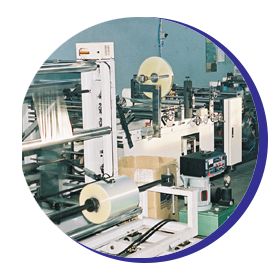
1992 – rozpoczęcie produkcji opakowań, zakup pierwszych zgrzewarek
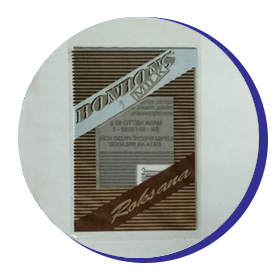
1995 – wyprodukowanie pierwszego zadrukowanego woreczka, rozpoczęcie produkcji opakowań papierowych
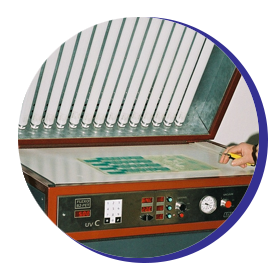
2000 – zakup pierwszego urządzenia do obróbki matryc fotopolimerowych – Flekso B2 – PET

2003 – otrzymanie złotego medalu Międzynarodowych Targów Poznańskich za woreczki typu EURO. Wdrożenie systemu zarządzania Jakością ISO 90001-2001 który działa do dzisiejszego w naszym zakładzie
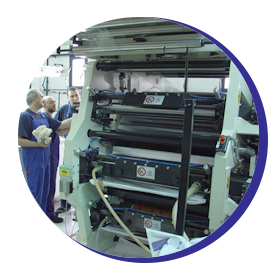
2006 – zakup pierwszej nowoczesnej 6 kolorowej drukarki fleksograficznej oraz laminarki bezrozpuszczalnikowej produkcji Varga

2009 – 2012 – zakup działki pod nowa lokalizacje zakładu oraz budowa zakładu produkcyjnego.

2012 – rozpoczęcie produkcji w nowym zakładzie Yanko w Rogoźnicy na terenie Podkarpackiego Parku Naukowo Technologicznego Aeropolis
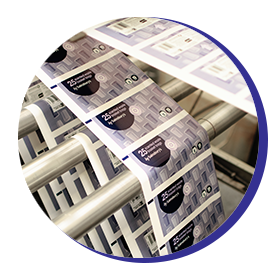
2013 – 2017 – zakup nowoczesnej maszyny do druku fleksograficznego, laminacji i konfekcjonowania wyrobów foliowych (worków typu DOYPACK, worków typu YANKOPACK BMS) oraz papierowych. Rozbudowa istniejącej hali produkcyjnej opakowań o powierzchni ponad 1000 m 2.
2018 – 2019 – zakup drugiej nowoczesnej maszyny do druku fleksograficznego oraz maszyny do konfekcjonowania worków typu DOYPACK. Rozpoczęcie prac nad wyprodukowaniem nowoczesnej powłoki biodegradowalnej i w 100% podlegającej recyklingu do powlekania papieru. Wdrożenie sytemu WMS (system zarządzania magazynem) oraz certyfikatu BRC IoP dla producentów opakowań.